GLORIOUS GRASSLANDS
Why grazing is the future!
Description
Current nature conservation succeeds in protecting individual species but does little to slow down the large-scale loss of biodiversity and biomass. The main reason for this is a narrow understanding of nature that equates non-use with a natural state and usually regards closed forests as the ideal.
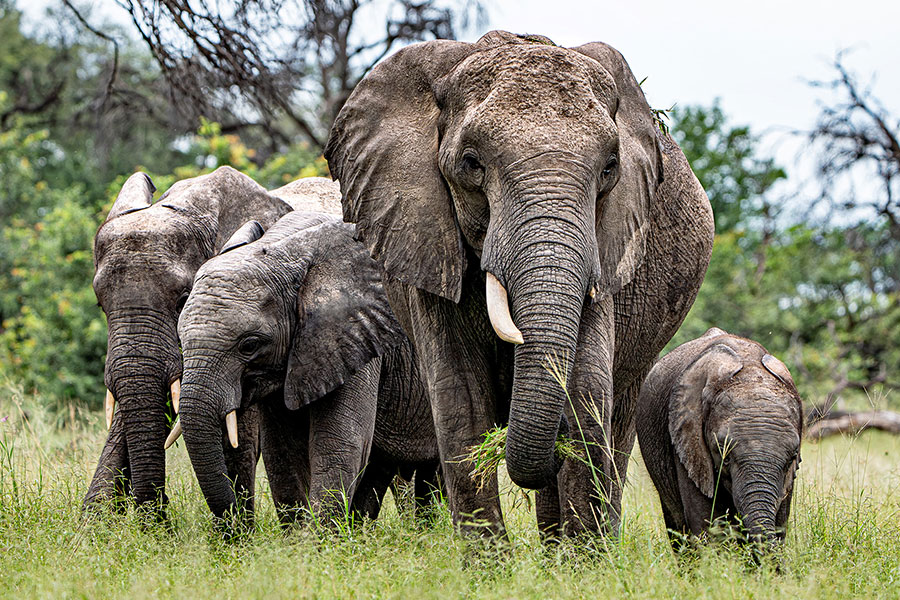
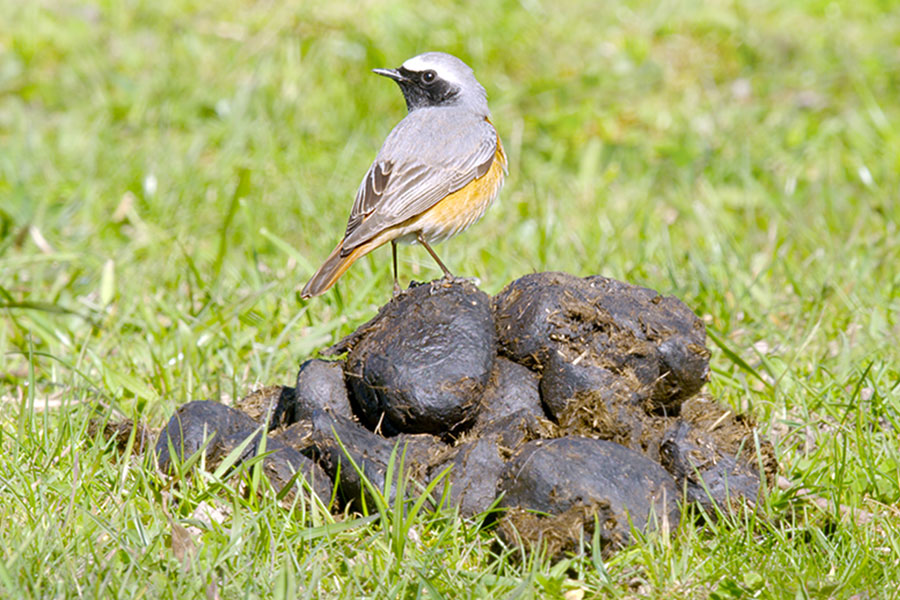
In reality, Central Europe was always characterized by open and semi-open landscapes. Large herbivores played a key role in this system. Through grazing, trampling, and dung deposition, they kept landscapes open, structured, and dynamic, thereby creating the basis for high species diversity. With their disappearance, woody plants could dominate large areas, light was lost, and many light-dependent and disturbance-dependent species disappeared.
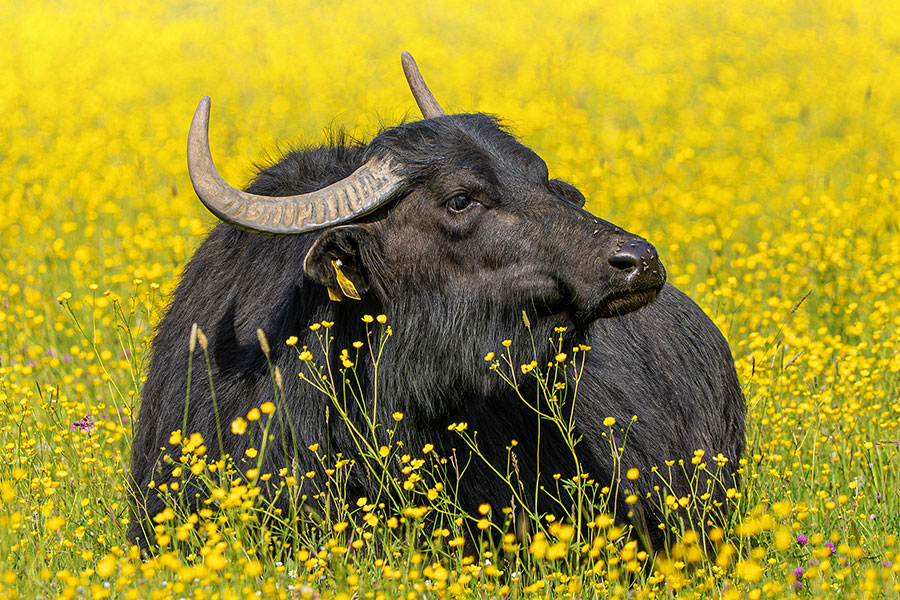
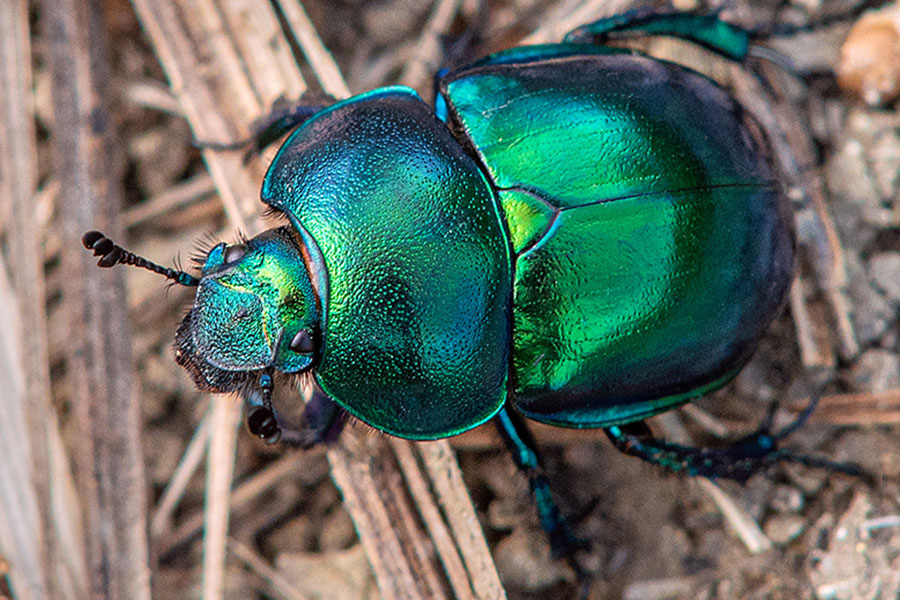
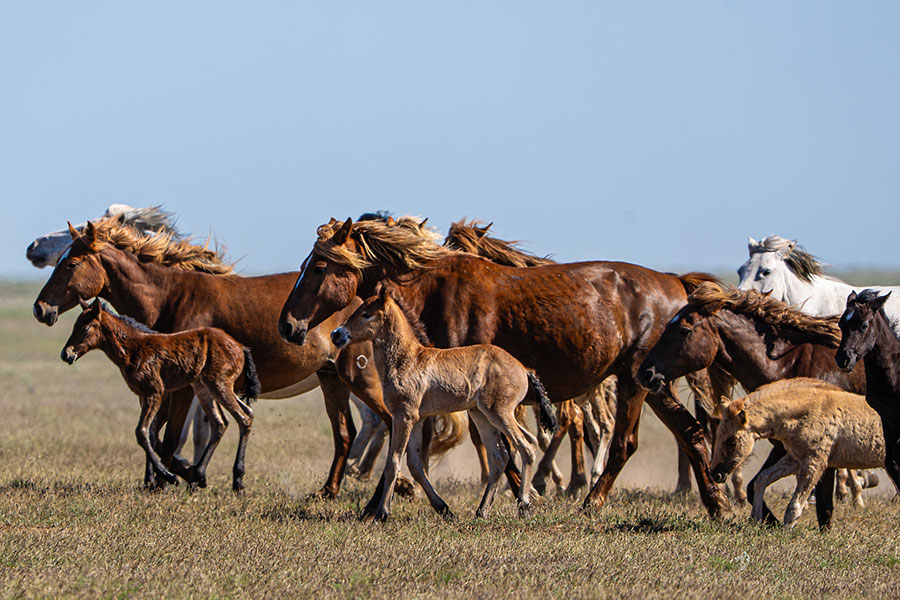
Therefore, restoring species-rich ecosystems requires the return of grazing as a central ecological process. Extensive grazing by cattle, horses, or water buffalo can take over the function of the former megaherbivores, preserve open land, promote insect diversity, and enable natural dynamics. In addition to forest protection, nature conservation thus needs large-scale open and semi-open, grazed landscapes as an equally valuable form of wilderness.
GLORIOUS GRASSLANDS tells the story of a vision that is not an utopia — but one that has already begun. A story about our natural world, about our past, and perhaps the most important decision for our future.
Glorius Grasslands
Duration 95:00 min
A nautilusfilm production in collaboration with Andrea von Braun Stiftung and ARTE
Distribution nautilusfilm GmbH & 24 Pictures
Year 2027